
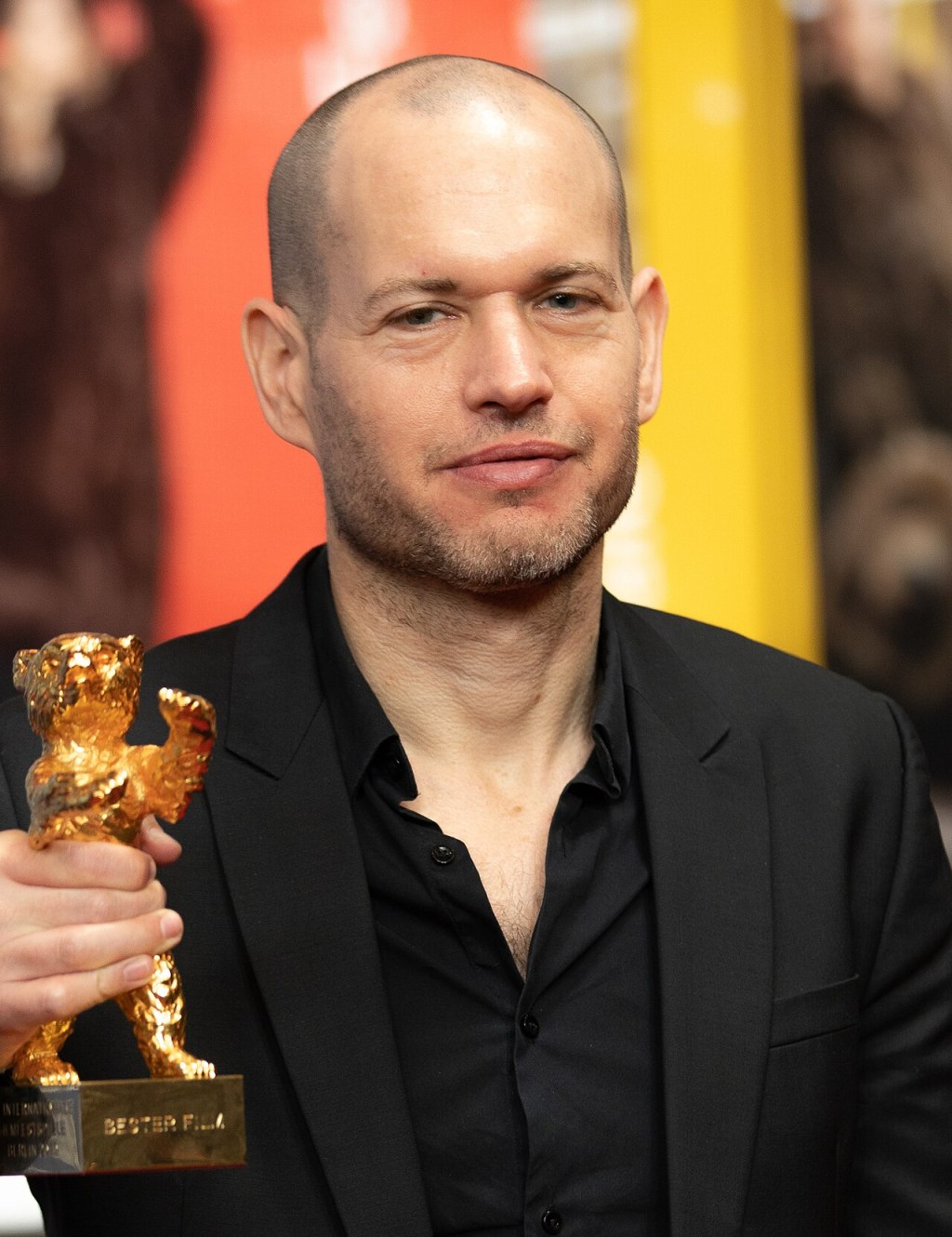

On June 9, in the form of an open letter in “Le Monde,” Israeli-French documentarian Nadav Lapid’s latest film, “Yes”, was rescinded for screening at Marseille’s 37th annual FID Film Festival. The filmmaker was appointed to serve on the festival’s jury. After Lapid’s appointment, festival organizer Tvesta Dobreva began receiving phone calls against Dobreva’s choice to include an Israeli director on the jury, and both agreed Lapid would give up his jury appointment.
Lapid, who called his rescission from the festival “astonishing,” received a wave of support from film figures such as actress Natalie Portman and director Jacques Audiard. Several filmmakers also chose to submit their work to other festivals in response, calling the boycott “unfair” because of the filmmakers’ stance on the Israeli government, amid high political tensions worldwide. Despite the common framing of Dobreva’s decision as a sign of antisemitic sentiment, boiling the film down to its associated place of origin as opposed to its point of view, Lapid himself framed the boycott as a “counterproductive” act of divestment from pro-Israel instruments.
There’s an up-and-coming movement in industry professionals either boycotting or divesting from Israeli distribution groups in the United States that emerged last September. The trend began with an open letter signed by over 2,000 figures under the organization “Film Workers for Palestine.” Signers of the letter pledged to sever ties with Israeli film companies that are “implicated in genocide and apartheid against the Palestinian people.” Notable signatories include actress Emma Stone, director Ava DuVernay, comedian Ayo Edebiri, and writer-director Yorgos Lanthimos.
Calls for Hollywood figures to publicly express either support or opposition for Israel’s military actions have become increasingly common, which leaves the question: If art is inherently political, to what politics does the artist serve first?




 Popline News