
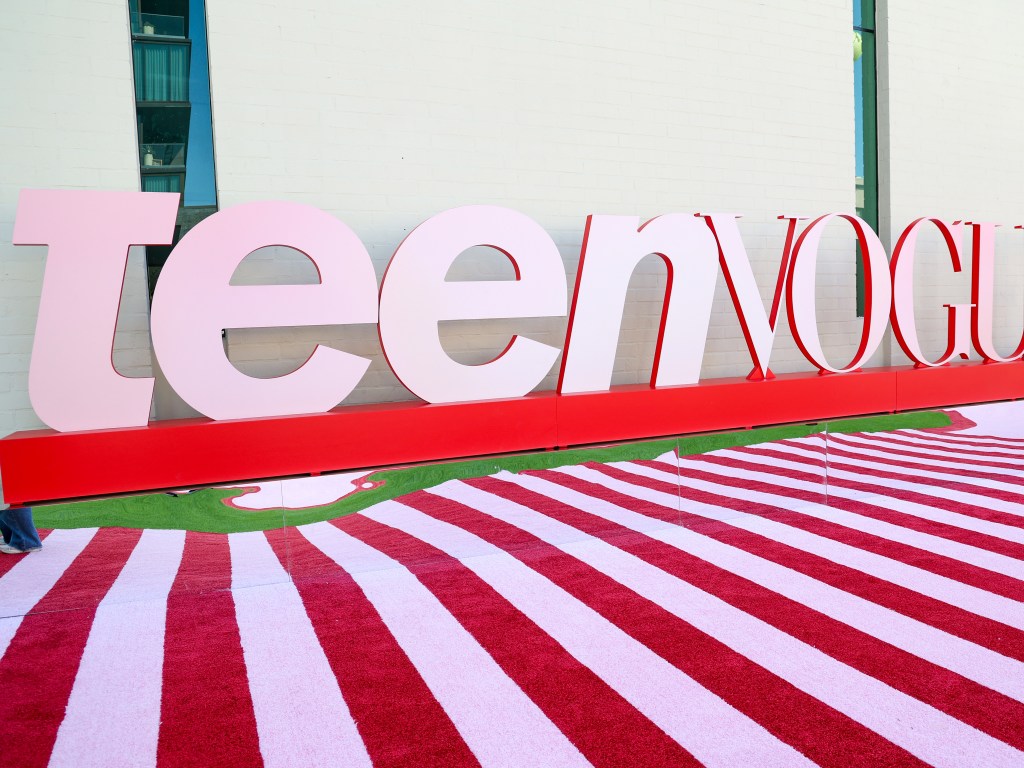
Vogue announced that it will fold Teen Vogue, a publication that’s been running for 22 years, into its website on Nov. 3.
According to Vogue, the transition is part of a larger plan for the company: “Teen Vogue is joining Vogue.com, a transition that’s part of a broader push to expand the Vogue ecosystem. The title will remain a distinct editorial property, with its own identity and mission; sitting under the Vogue umbrella will provide a more unified reader experience across titles.” Vogue also announced they would be writing about topics like “career development” and “cultural leadership” to fill the niche of Teen Vogue.
Despite this claim to keep the brand message the same, Alyssa Goldberg of USA Today wrote that the loss of Teen Vogue signals, “the decline of dedicated, in-between spaces for teens and tweens,” as social media influencers and for-you-pages are simply unable to fill the niche of the culture reporting Teen Vogue filled for young people and adults alike.
The new editor-in-chief of Vogue.com, Chloe Malle, will now oversee the Teen Vogue section of Vogue.com.
Chloe Malle said that Teen Vogue will now focus on, “career development, cultural leadership, and other issues that matter most to young people,” which starkly contrasts the political, cultural, and critical coverage Teen Vogue published after 2016, during Elaine Welteroth’s tenure.
In addition to the absorption, the company is letting go writers and editors from Teen Vogue.
In 2016, Teen Vogue took a distinct editorial shift under new Editor-in-Chief, Elaine Welteroth, who prioritized politically conscious reporting about issues important to Gen-Z and Millennials.
Welteroth wrote in a statement on Instagram: “Losing Teen Vogue’s newsroom is more than a business decision — it’s a cultural loss at a time when we need reliable journalism more than ever.”
The NewsGuild of New York and Condé United have highly criticized this merger, according to The Hollywood Reporter. The unions voiced concerns about the impact this merger will have on both workplace diversity and Teen Vogue’s progressive political voice.
Toni Fitzgerald, a senior contributor at Forbes, wrote about the ethos of Teen Vogue in the past few years: “…Teen Vogue distinguished itself by trusting the intellects and sophistication of its readers.” Writers and editors of Teen Vogue fear this merger will halt this coverage.
Current Editor-in-Chief of Teen Vogue, Versha Sharma, wrote a statement on Instagram about the merger, further emphasizing the publication’s dedication to progressive political discourse and smart reporting.
“I am so incredibly proud of the work we’ve done and what we accomplished. Our journalism has won major awards,” Sharma said. “We put diverse faces and bodies on our covers, explored everything from sustainability in fashion to the fight for abortion rights and bodily autonomy, and sought to empower and elevate people changing the game across industries. We tell stories that no one else does, because we understand the power of being seen.”
Teen Vogue’s debut marked a different approach to teen magazines, with less focus on relationships and dating. Instead, Teen Vogue focused on fashion, style, beauty, and, in recent years, climate change, immigration, and progressive cultural and political issues (NYT). Now, under Malle’s leadership, there may be a shift in coverage once again.
In recent years, Teen Vogue has been a champion of progressive politics. The publication won an award for Freedom of Speech from the Roosevelt Institute, which “champions new ideas and new leaders to make our economy and democracy work for the many, not the few.”
The Roosevelt Institute criticized the merger, especially in regard to the collapse of Teen Vogue’s political coverage: “corporate concentration eliminates innovative ideas and silences voices with less power.”
During this turbulent political moment, cutting a majority of BIPOC staff, in addition to critical political coverage, has sparked outrage. The majority of executive editors and writers at Teen Vogue were BIPOC or Queer, so the merger has called into question Vogue’s commitment to diversity of staff, and political voice and thought. Vogue laid off all black women and trans people working for Teen Vogue.
The NewsGuild of New York and Condé United also wrote: “Management plans to lay off six of our members, most of whom are BIPOC women or trans, including Teen Vogue’s Politics Editor — continuing the trend of layoffs at Condé disproportionately impacting marginalized employees” (The Hollywood Reporter).
The NewsGuild of New York and Condé United concluded their statement:
“Condé leadership owes us answers – and Teen Vogue’s readership. We will get those answers.”
Additionally, late on Wednesday, Nov. 5, according to Condé United, “Condé Nast illegally fired 4 union organizers who asked company execs to explain the downsizing of Teen Vogue and continued layoffs. We’ve filed a grievance.”
Condé Nast is now accused of union busting after the events of the video above. These firings have sparked outrage and the union has said it’s prepared to challenge the firings.
The merger, though sudden, was not unexpected, as larger media companies have experienced the chilling effects of the Trump Administration’s threats to press freedoms. For example, CBS and ABC’s payouts to President Trump. Additionally, the brief but chilling cancellation of Jimmy Kimmel’s show, as Fitzgerald highlighted, raises similar questions of press freedoms.
Sarah Leonard of Columbia Journalism Review wrote, “Condé Nast didn’t just kill its own relevance with a large swath of loyal Gen Z readers—it dealt a blow to the larger ecosystem of feminist media.”
This merger will undoubtedly change the way Gen-Z and Millennials consume their current cultural and political journalism. Vogue’s Chloe Malle will also now have to incorporate the needs of Teen Vogue readers into the Vogue brand. The gap left by Teen Vogue is both upsetting and reflective of the state of journalism in the United States.


 Popline News